Make Your Own Botanical Ink From Flowers
Rebecca Desnos
00
DAYS
00
HOURS
00
MINS
00
SECS
Stay Tuned!
This event isn't live yet, but here are some options whilst you wait:
1. Get the VIP Pass - which gives you lifetime access to all the workshop presentations, as well as the bonuses generously provided by the artists.
2. Check out the Schedule Page - to see what presentations are available for viewing. Each one is available for 24 hours after it goes live.
3. Visit the Facebook Group and join the conversation
Get the VIP PassEssential Oil Disclaimer
Please note that essential oils, including wintergreen can be toxic, are highly concentrated substances and must be used with care. Always dilute appropriately, avoid ingestion, and keep out of reach of children and pets. Individuals with health conditions, sensitivities, or allergies should consult a qualified professional before use. We encourage mindful, informed use and do not accept responsibility for misuse of materials.
Learn how to transform flowers into rich botanical inks for painting on paper. In this gentle, beginner-friendly workshop, you’ll simmer petals to extract their colour and create richly pigmented inks using simple ingredients — a method that also works beautifully with onion skins.
Materials
Important Safety Notes:
Even though botanical dyes are of course natural, there are still some safety considerations you need to take. This is not an exhaustive list so please also use your own judgement.
- Use a separate set of equipment reserved for dyeing – not your kitchen items because many dyes aren't edible.
- When you are heating dye pots, make sure you have good air flow. Keep a window open and don't stand over a steaming pot and breathe in the vapour.
- Wear gloves to protect your skin from dyes and mordants.
- Ferrous sulphate, which is an iron mordant, can irritate the skin, so do not let it come into contact with your hands.
- Keep dyes and ferrous sulphate away from children, pets and food.
- Clearly label any jars or bottles of ink that you store in the fridge so that everyone knows it's not edible.
Ingredients to make your ink:
- Half a cup of fresh or dried flowers e.g. coreopsis, marigolds, sulphur cosmos. Or you can use onion skins.
- One cup of water.
- Tea tree or wintergreen essential oil to preserve the ink.
- Liquid gum arabic to thicken the consistency of the ink (you can buy this from art shops).
Optional ingredients to make more colours:
These ingredients can be added to your ink to change the colour. From one plant, you can make multiple shades. These ingredients are called ‘modifiers’.
- Acid: lemon juice or vinegar.
- Alkali: bicarbonate of soda.
- Iron: ferrous sulphate.
The following tools need to be separate from your kitchen items:
- A small metal saucepan: stainless steel or aluminium, but NOT iron.
- A wooden spoon for stirring.
- For straining: a bowl, metal sieve and fabric cloth.
- Glass bottles or jars for storing the ink.
- Pipette for transferring ink to your bottle.
- A label for your bottle/jar.
- Plus, you will need access to a stove for heating your pot.
For a list of my favourite natural dye supply shops around the world that sell dried dye flowers as well as ferrous sulphate, download my free directory here: https://rebeccadesnos.com/favshops
Get the recipe book PDF >>00
DAYS
00
HOURS
00
MINS
00
SECS
Watch this video for free for 24 hours
Need more time? Get lifetime access to this workshop demonstration with the VIP PASS with EXCLUSIVE BONUSES
GET THE VIP PASS >Rebecca Desnos
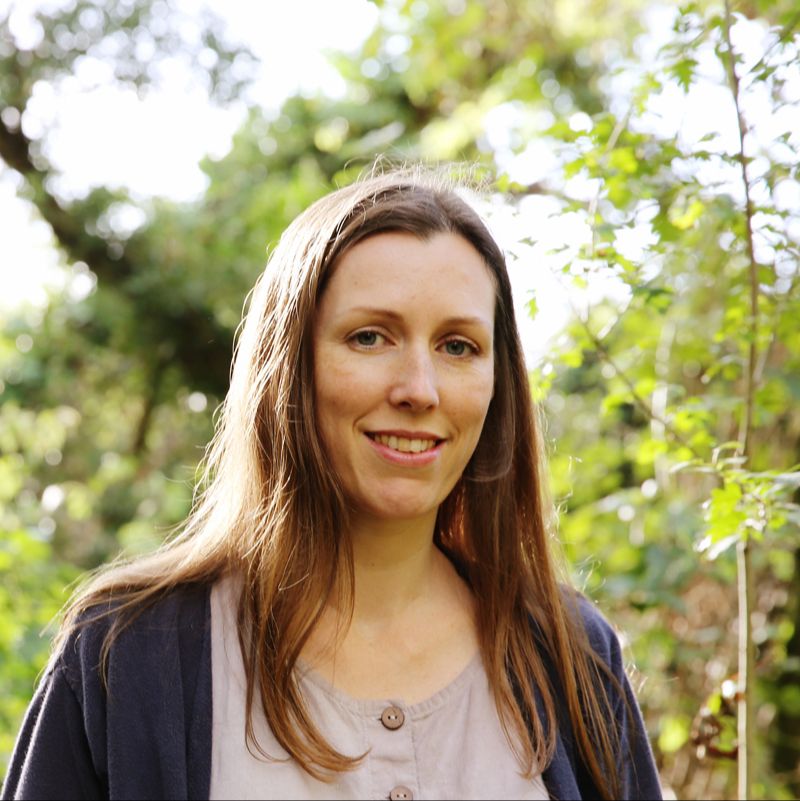
Rebecca Desnos is a natural dye artist, author and educator based in the UK. For over a decade she has explored the colourful world of plant dyes with a particular love for foraging and the healing properties of plants. She often works with homegrown materials and simple kitchen scraps — avocado being her favourite — and has inspired thousands of people to try natural dyeing for themselves. Alongside raising her three children, she creates books, courses and resources that make this craft feel accessible and joyful. Her work is rooted in curiosity, connection to nature and a belief that colour can be deeply nourishing.